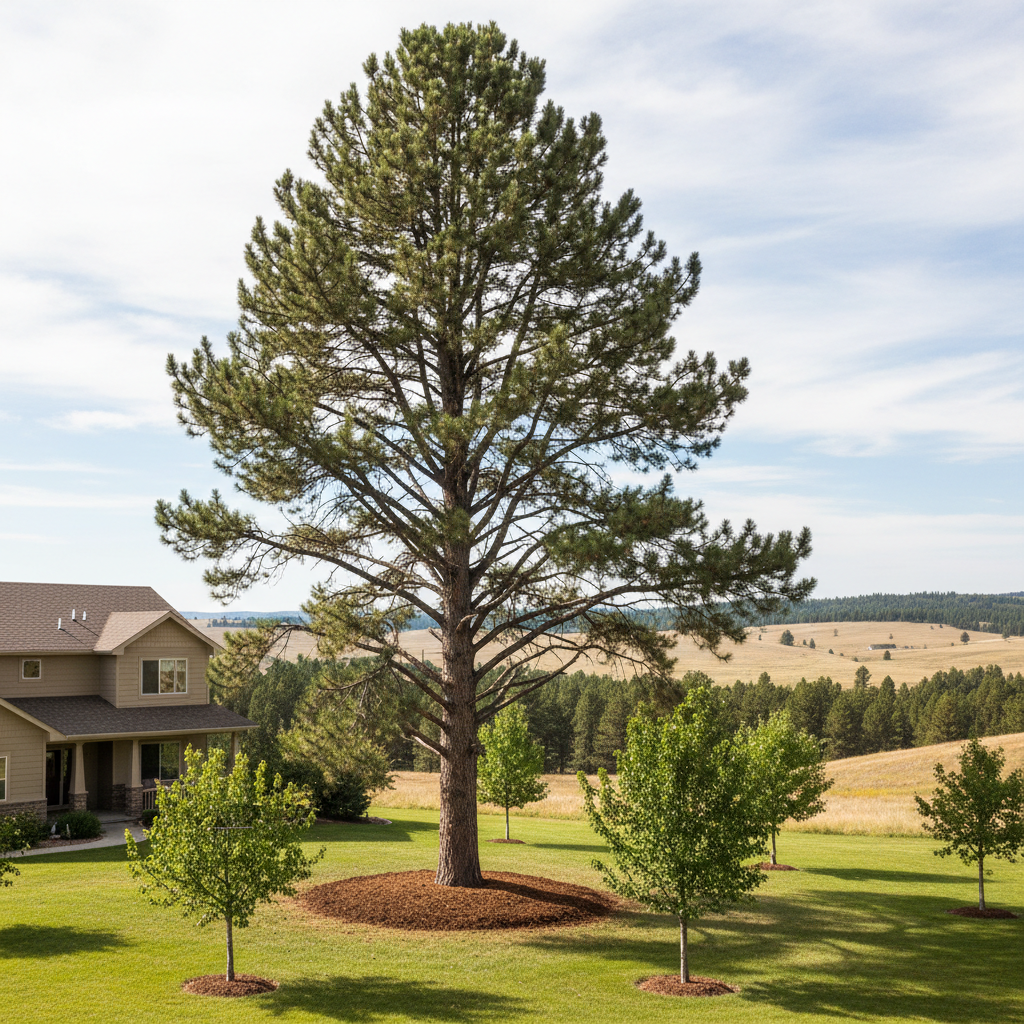
You've got trees on your property, which is fantastic. They really do add value, shade, and a touch of beauty. But, you know, when it comes to keeping them healthy or tackling a problem, I've noticed folks here in Billings often make a few common blunders. These can honestly end up costing them way more than they ever expected. So, let's chat about what you should definitely try to avoid.
Not Really Grasping What Your Trees Are Asking For
This is a big one, truly. A lot of homeowners spot a branch that looks a bit off, or they just figure their tree needs a trim, and then they immediately call someone without actually knowing what the tree's problem is. You wouldn't just tell your doctor to operate without a diagnosis, right? It's the same deal with your trees.
- Getting the diagnosis wrong: You might think your tree's dying from some pest, but it could just be stressed from not enough water during a dry spell. Or maybe it's got a fungal issue. Different problems, different solutions.
- Pruning too much or not enough: Some people think more is always better, which often leads to 'lion-tailing'—that's when too many inner branches get removed, leaving weak, long ones. Others don't prune enough, letting deadwood pile up, and that's a real hazard.
- Forgetting about the soil: Your tree's roots are its anchor, its whole foundation. If the soil is compacted, lacks nutrients, or has the wrong pH, your tree just won't thrive. I see this quite a bit in newer developments, especially where the topsoil was scraped away during construction.
Before you even pick up the phone for a pro, take a good, hard look. What's the specific worry? Is it dead branches, discolored leaves, strange growths, or just that it's gotten too big? Having a clear idea helps you talk better with the arborist and avoid any unnecessary work.
Falling for the Lowest Bid Without Asking Any Questions
Everyone wants to save a buck; I get that completely. But when it comes to tree work, the cheapest bid often comes with hidden costs or, even worse, really shoddy work that actually hurts your trees or property. This isn't like buying a gallon of milk, you know? You're hiring someone with specialized skills and equipment.
Here's what I always tell people to ask for, no matter how good the price seems:
- Proof of insurance: This isn't optional. They need general liability insurance and workers' compensation. If a branch falls on your house, or if a worker gets hurt on your property and they're not insured, you could be on the hook. Don't just trust their word; ask for a certificate of insurance directly from their provider.
- References: A good company will gladly give you some. Call a few and ask how their experience went.
- A detailed proposal: What exactly are they planning to do? How will they do it? What's included in the price—cleanup, hauling, stump grinding? Make sure everything is in writing.
- Certifications: Are they an ISA Certified Arborist? That means they've got the training and knowledge to properly care for your trees.
- Equipment: Do they have the right tools for the job, or are they showing up with a rusty chainsaw and a pickup truck? Proper equipment means a safer, more efficient job, plain and simple.
I've seen far too many homeowners regret going with the guy who just knocked on their door, offering a deal that seemed too good to be true. It usually is. Especially after a big wind storm, you'll see these folks pop up looking for quick cash. Be careful.
Not Thinking About Your Trees' Long-Term Health
Sometimes, homeowners only focus on the immediate problem and totally forget about the future. For instance, if you've got a tree that's been topped (a terrible practice that really damages trees), you might just want those ugly, stubby branches gone. But a good arborist will talk to you about the long-term health, how to fix some of the damage, or if taking the tree down is actually the best choice.
Or maybe you're planting a new tree. Are you thinking about how big it will get? Its root system? We've got some pretty tough clay soil in parts of Billings, especially around the Heights, and some trees just won't thrive without proper soil amendment and planning. Planting the wrong tree in the wrong spot? That's a mistake that will haunt you for decades.
At Lockwood Tree Solutions, we always try to teach our clients a bit. We want you to understand not just what we're doing, but why we're doing it, and what it means for your trees down the road. Taking a little extra time upfront can save you a lot of headaches and money later on, believe me.
Ignoring Obvious Red Flags
This really goes hand-in-hand with the cheapest bid problem, doesn't it? If someone pressures you for an immediate decision, demands cash up front, doesn't want to give you a written estimate, or seems vague about their process—those are all huge red flags. Trust your gut. If something feels off, it probably is.
Your trees are living investments. Treat them that way. Take the time to understand what they need, pick a qualified professional, and think long-term. You'll be glad you did.